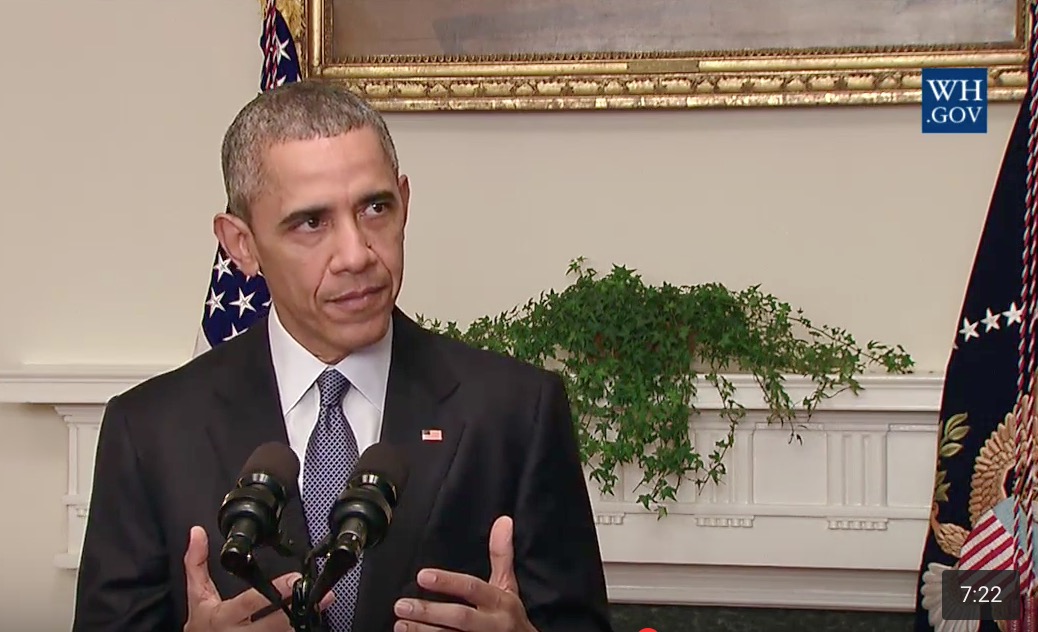
We cannot be complacent because of today’s agreement. The problem’s not solved because of this accord … it creates the mechanism, the architecture for us to continually tackle this problem in an effective way.
More at the White House blog
We cannot be complacent because of today’s agreement. The problem’s not solved because of this accord … it creates the mechanism, the architecture for us to continually tackle this problem in an effective way.
More at the White House blog
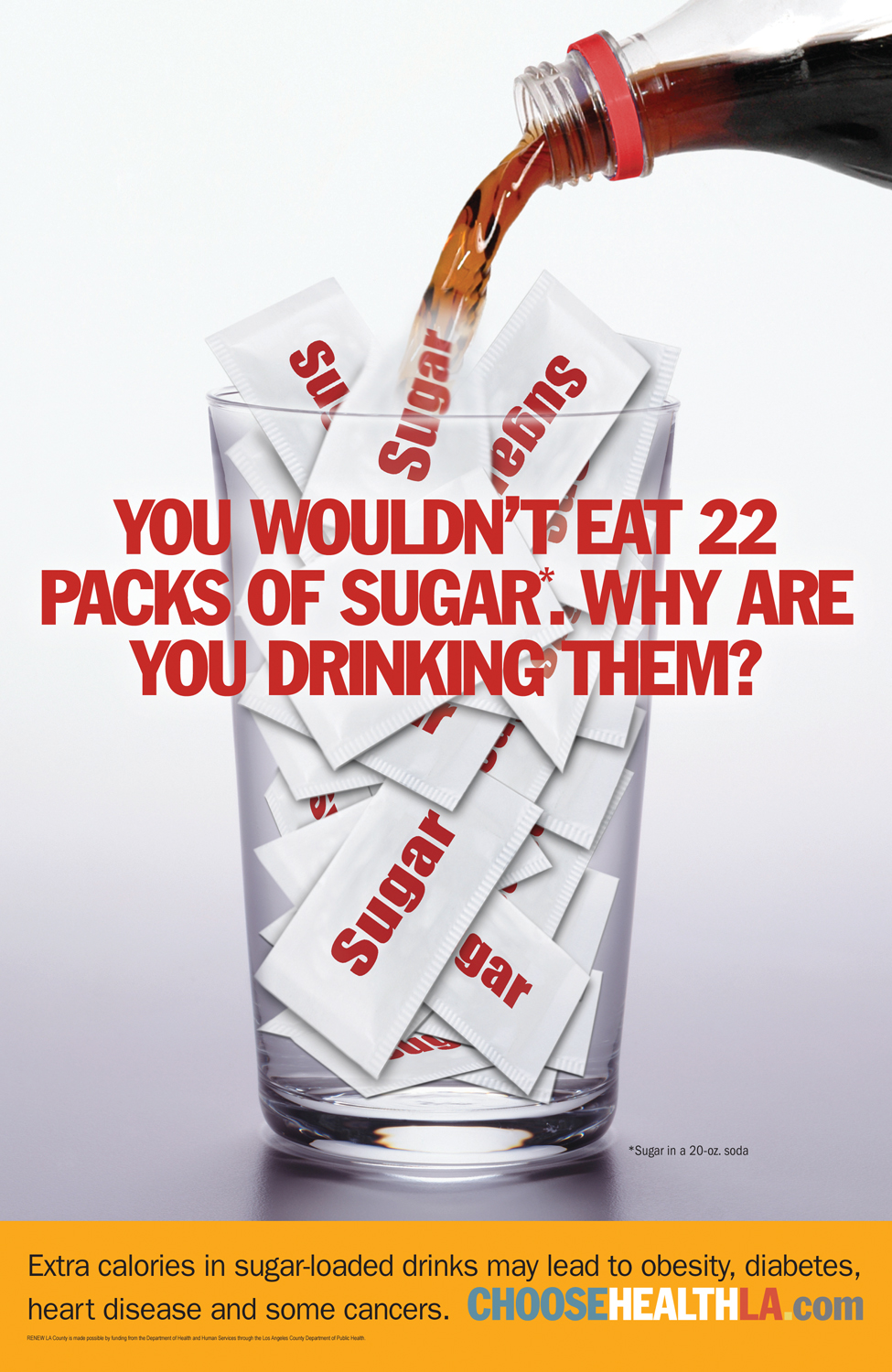 Study links sugary drinks to a staggering amount of deaths per year, with low and middle-income countries bearing the brunt of the burden.
Harvard has plenty of bad stuff to report about sugary drinks too and cautions, “Fruit juice is not a better option. Even though it has more nutrients, it contains as much sugar (though from naturally occurring fruit sugars rather than added sugar) and calories as soft drinks.” Here are some of the heavy facts:
Two out of three adults and one out of three children in the United States are overweight or obese, (29) and the nation spends an estimated $190 billion a year treating obesity-related health conditions. (30) Rising consumption of sugary drinks has been a major contributor to the obesity epidemic. (31) On any given day, half the people in the U.S. consume sugary drinks; 1 in 4 consume at least 200 calories from such drinks; and 5% drink at least 567 calories—equivalent to four cans of soda. (32)…
The role of marketing
Sugary drinks (soda, energy, sports drinks) are the top calorie source in teens’ diets (226 calories per day), beating out pizza (213 calories per day). (34)From 1989 to 2008, calories consumed in the form of sugary beverages increased by 60% in children ages 6 to 11, and the percentage of children consuming them rose from 79% to 91%. (35)

In the CSO model, both clean street stormwater and sewage waste are channeled through municipal pipes into the municipal sewage waste treatment facility. That’s a waste of taxpayer funds right out of the box, because there’s no need to treat street water that’s already, just about clean. And even worse, the CSO system becomes a huge public health hazard when there’s a big weather event and CSO-connected sewage plants close off their incoming pipes to avoid becoming overwhelmed and flooding. When this happens, both effluent and water in the municipal pipes are pushed out into nearby natural bodies of water.
This is not only a truly icky phenomenon. It’s also damaging to the waterways’ ecosystems and obviously makes using them for recreation while sewage is present, entirely out of the question.
In a NJ Spotlight Opinion Piece, Daniel J. Van Abs offers a synopsis of the CSO problem:
The Romans developed a technology, now called combined sewers, to move sewage and stormwater off the streets and out of the city. London revived the use of combined sewers in the 1800s. Many cities in this country also built combined sewers from roughly 1860 to the 1920s, including 21 New Jersey municipalities, where they still exist. Initially, the combined sewage and stormwater were discharged directly to rivers, lakes, and bays, getting it out of the city as quickly as possible. Only later was treatment added – sometimes.
H2 Oh No! is a short video about CSOs from the Center for Urban Pedagogy.
Both Rutger’s Water Resources Department in New Jersey and New York’s Riverkeeper recommend on-site treatments to contain stormwater where it falls by sequestering it in the leaves of plants and trees at street height or in green roofs, getting it to percolate into the ground or capturing it in cisterns and rainbarrels for later use.
Here’s a CSO factsheet from Riverkeeper showing on-site treatments effectively provide for stormwater management. This keeps stormwater away from sewage lines and consequently, reduces the incidents of CSO pollution.
 August Environment & Climate Justice Green Drinks Paterson Area
27 August 2015 at 12 noon
Sultan Restaurant
429 Crooks Ave, Paterson, New Jersey 07011
Everyone is welcome 🙂 and there’s never a meeting charge.
Mayor información – More information:
ejgreendrinks.org | 201-477-8711
ABOUT GREEN DRINKS
Green Drinks are gatherings where we discuss Environmental Justice, climate change and sustainable living issues in English and Spanish!
A lot of knowledge is shared around the table each month along with tasty food and good conversation. Come spend a couple interesting hours with the friendliest bunch of EJ nuts you’ll ever meet.
Please support our host venue by eating or drinking something while we chat.
 AUGUST DISCUSSION AGENDA
ORGANIZERS
Kimi Wei, Ivan Gomez Wei, Ariel Lopez Wei, Joseph Dunsay and Sally Gellert
SEPT 2015 NJECJ GREEN DRINKS SCHEDULE
Newark cancelled this month due to Labor Day
Hackensack WED 16 SEPT 7-9 PM
Paterson date TBA
(more at http://ejgreendrinks.org/)
There’s room for a few more registrants in this webinar, which already has 500 participants. Sign up here.
This is the second webinar in the Food, Water and Energy Nexus Webinar Series and pathways to a sustainable future, co-hosted by Arizona State University’s School of Sustainability.
Drought in the SW United States – Water Policy of the Past, Present and Future
20 Aug 2015
1:15 to 2:45pm EDT

Doug also suggests focusing in on just one or two points and expanding on them. For example, if you can tie in a single point with a personal story or concern, that can be very powerful.
- Less fossil fuel pipelines, oil trains, off-shore LNG facilities and fracking waste, and fossil fuel power plants in our neighborhoods like the Newark Energy Center.
- More solar and wind generation, specifically with 3,000 MW of off-shore wind energy
- 30% of our electrical energy to come from renewable sources by 2020 through a stronger Renewable Portfolio Standard (RPS)
- 30% reduction in energy use by 2030 through an Energy Efficiency Resource Standard and a robust Combined Heat & Power program
- 80% of our energy (for both electricity and total energy) to come from renewable sources by 2050 through a visionary Renewable Portfolio Standard.
We should be moving the state forward, not backwards, towards clean energy. New Jersey’s energy future should be built on increased solar and wind generation and more energy efficiency. We need demand response programs, green job creation, and a commitment to reducing our dependence on fossil fuels. The BPU needs to stop promoting doubling down on fossil fuels and work towards energy efficiency and clean energy programs.
The 2011 Christie Administration Energy Master Plan hurts New Jersey’s environment and economy and undermines clean energy and green jobs. This plan will continue to send jobs and money out of New Jersey while adding more pollution, and hurting our public health.
We need much more aggressive clean energy goals and the Christie Administration has slowed our advances in clean energy – like the ones in the 2008 Energy Master Plan that called for 30% of our electrical energy to come from clean, renewable sources by 2020. New Jersey was on track to meet the 2008 goals, until Governor Christie repealed the previous plan’s aggressive goals. The Christie Administration rolled the 2020 goals back to 22.5% and there’s concern this standard will be cut even further.
- The BPU Energy Master Plan doesn’t acknowledge the importance of the state Global Warming Response Act. The legislation, passed in 2006, mandated carbon reductions of 20% by 2020 and 80% by 2050, which sets forward an aggressive timeline for carbon reductions over the next 35 years.
- The Energy Master Plan still strongly endorses the expansion of fossil fuel infrastructure across the state, especially expanding gas pipelines and gas power plants in our communities. From the fights against the South Jersey Gas pipeline through the Pinelands to the efforts to stop the bi-state PennEast pipeline that has been proposed in Mercer and Hunterdon County to the placement of four new gas power plants in the state, including in the heart of the Ironbound community in Newark, expanding fossil fuels is harmful to New Jersey residents.
- The BPU Plan is silent on the EPA Clean Power Plan, which will federally reduce power plant pollution by 32% over the next 15 years. While the reductions are less in New Jersey (23%), it still means we need more investment in clean energy and energy efficiency to reduce New Jersey’s overall base load power demands.
- We need a more aggressive solar energy carve-out: New Jersey was second in the nation in solar before the Christie Administration took office and we are now seventh in solar installations. We previously had 10,000 jobs in solar and we now have only 5,500, as other states have caught up to New Jersey’s policies.
- We need to ramp up invest in energy efficiency, especially for weatherization for the residential sector, and Combined Heat & Power programs for the commercial sector. Energy efficiency programs can be a boon for consumers and businesses alike, but New Jersey has now fallen to the 19th state in the country making progress on energy efficiency, from being previously in the top 10. We are massively behind on the 2011 Energy Master Plan goal for 1500 MW from Combined Heat & Power program for commercial businesses. The Energy Master Plan should explicitly be clear that the state budget process needs to stop continually raiding the Clean Energy Fund, which has now lost $1 billion during the Christie Administration.
- We’ve already hurt our state by pulling out of RGGI: Gov. Christie’s initial decision to pull us out of the Regional Greenhouse Gas Initiative (RGGI) cost our state $50 million a year in revenue and more than 1800 jobs in 2011. The program has gotten stronger in the last 4 years, and New Jersey has now squandered close to $200 million that could be invested in energy efficiency program that would save consumers money.
- We’re stalled on the 2011 Energy Master Plan goal for Off-Shore Wind: New Jersey was poised to be the first state in the nation with offshore wind, especially after Gov. Christie signed off-shore wind legislation into place five years ago calling for 3000 MW of off-shore wind, although the 2011 EMP only set a 1100 MW goal. Offshore wind projects could provide a vast majority of our energy needs but now other states are leapfrogging ahead of us.
- The Energy Master Plan needs to do more to support and expand clean energy, energy efficiency and public transportation, VMT (Vehicle Miles Travelled) reduction programs and zero emission vehicle infrastructure, which reduces air pollution and our dependence on fossil fuels. Energy efficiency is the most cost effective way to reduce greenhouse gases and help lower energy costs. Energy efficiency cuts peak demand, preventing the use of peaker plants, which prevent blackouts, air pollution, and saves New Jersey residents’ money. Energy efficiency creates jobs and will reduce our greenhouse gas pollution. Public transportation clearly provides an opportunity for residents to avoid traffic and their carbon emissions by taking NJ Transit, VMT reduction program can fund measures to encourage corporate and private car-pooling and electric vehicle charging stations, with enough penetration in public streets and private parking lots can provide a way to relieve range anxiety.
Thanks for the share Klaus Rittenbach. Klaus also comments:
The energy calculation issue is a huge issue. We are not going to hit the 2011 EMP stated goal of 22.5% of renewables from electricity generation by 2020 as per the Renewable Portfolio Standard (RPS). BPU is saying we are on track. It would be good to challenge their numbers directly.
The EMP is a narrowly focused document and does not get to the full energy picture. The biggest issue is that the EMP doesn’t deal with energy used for transportation at all, which is the biggest source of carbon emissions in the state.
NJ Assemblyman Den Benson shared his own list of what a strong EMP should contain.
 The New Jersey Board of Public Utilities holds three hearings this month (August 2015) to collect public input in preparation for upding the state’s Energy Master Plan (EMP). Individual state goals for cutting power plant emissions are laid out in President Obama’s new national Clean Power Plan. Assemblyman Dan Benson explains their impact on New Jersey’s EMP:
States can .. decide for themselves how to get there .. (but) if New Jersey fails to produce our own plan in compliance with the Clean Power Plan, we may be forced by the federal government into a program of its design.
This is the Assemblyman’s list of characteristics of a strong state EMP – which you can freely incorporate into your spoken or written testimony. You can also review Environment New Jersey’s list of suggested talking points:
The Sierra Club will help you sign up and prepare testimony for an EMP hearing.
There’s Clean Energy Call to Action rally outside Newark’s Aug 11 EMP hearing. Feel free to join in – or just check out the materials.

A detailed official map of the roads and features of Wharton State Forest was never available to the public before now. The public access plan and map will allow the state to better protect Wharton State Forest by designating certain areas for non-motorized recreation only. See the online map or look for printed maps and brochures at historic Batsto Village and the Atsion Recreation Area.
Over the years more and more roads have been unintentionally created due to illegal off-roading through the state forest. The Motorized Access Plan delineates the 225 miles of sand and unimproved roads intended for motor vehicle use while leaving other access areas for emergency vehicles, wildlife, and low-impact recreation. The MAP achieves balance and provides a guide to users of the state forest so visitors can identify safe areas to drive, bike, walk and boat.

The Pinelands Preservation Alliance supports the DEP’s Motorized Access Plan to protect the natural resources and recreational opportunities in Wharton State Forest. Learn more about ORV damage on their website, including news coverage by NBC10 about the plan and an interactive map of damage done in the Pinelands by irresponsible off road vehicle use.
Take Action Today
Please let your legislators know that you support this Motorized Access Plan by calling or emailing them today. It is very important that they hear from you and that they support this effort by the NJ DEP to better protect New Jersey’s natural resources and encourage all types of recreation in Wharton State Forest.
Find your state legislators with this easy tool or send an email using PPA’s Take Action tool.
More on Pine Barrens damage from ORVs at Pine Barrens Under Siege.
 The Sierra Club asks, “Whose energy future will it be, yours or Governor Christie’s?” Join other New Jersey residents and the Sierra Club to speak out for clean energy at a hearing near you. Sign up with the Sierra Club to speak – here.
The state’s new Energy Master Plan (EMP) is being put together right now. The plan can help set New Jersey on a path towards clean energy and make dirty fuel and the climate damage it causes, a thing of the past.
The Board of Public Utilities has been accepting public comments on the plan and are now holding public hearings. These hearings are a rare opportunity to directly impact climate change and air pollution policy in the Garden State. Governor Christie’s 2011 EMP slowed down New Jersey’s clean energy implementation tremendously, but now we can reverse that trend and recover our state’s status as a national frontrunner in renewable energy infrastructure.
This is your chance to show you support more energy efficiency and renewable energy sources in New Jersey like wind and solar. Sign up with the Sierra Club to speak at a hearing near you – here. Once you’ve signed up a Sierra Club staffer will reach out to share talking points and support that will make your attendance a success.
Through August 25 2015, you can also submit a comment to the BPU via the Sierra Club website or send it directly to NJ State. Here are your commenting options:
Newark
WHEN: Tuesday, August 11, 1-5pm
WHERE: Seton Hall Law School, 1109 Raymond Boulevard, Newark
Trenton
WHEN: Thursday, August 13, 2015, 1-5pm
WHERE: State House Annex, Committee Room 11, 125 West State Street, Trenton
Galloway
WHEN: Monday, August 17, 2015, 1-5pm
WHERE: Stockton College Campus Center, 101 Vera King Farris Drive, Galloway
Questions: Contact Christine Guhl-Sadovy at christine.guhl@sierraclub.org
EMP Hearing Resources:
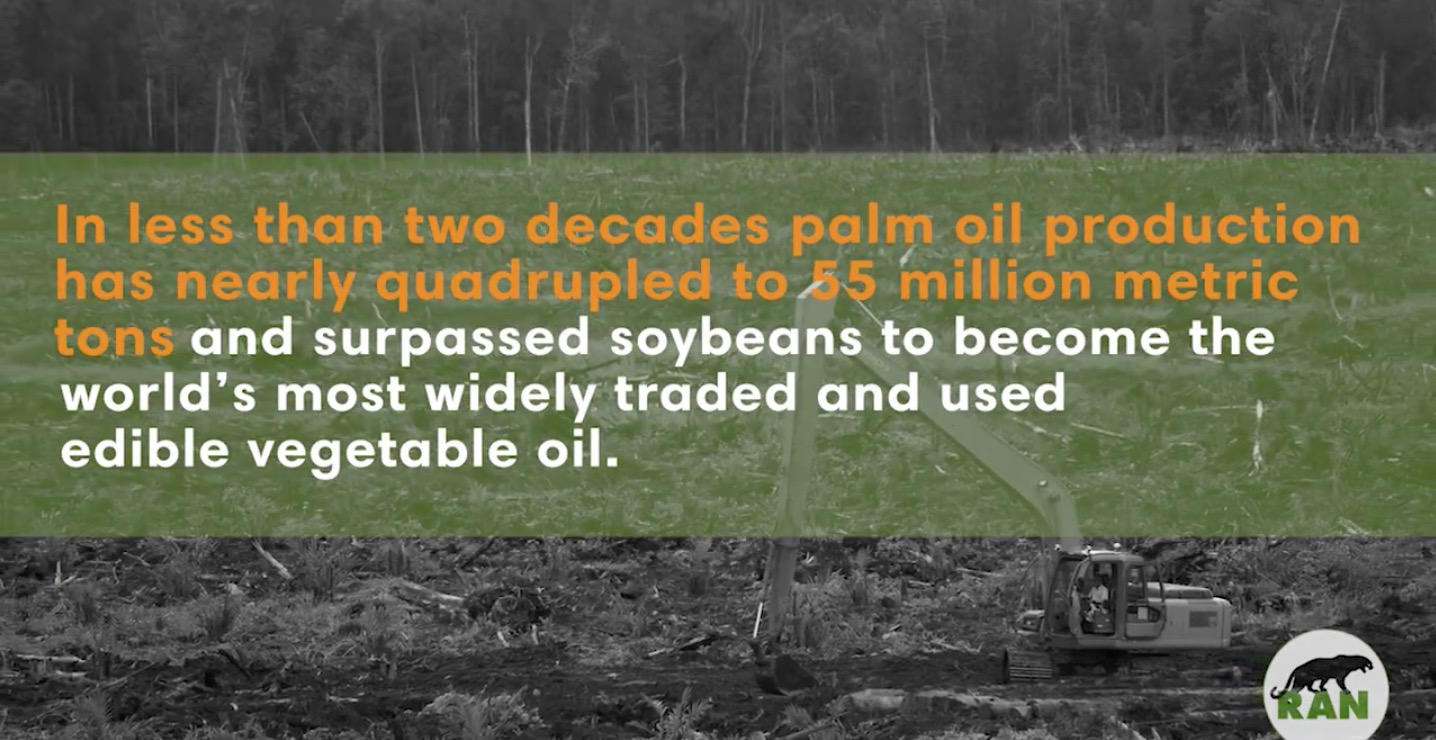 I know it seems crazy, but the way some our favorite foods are grown and manufactured is doing fantastic harm to our world. Conflict palm oil is one product that harms the environment and is widely used in mass produced baked goods including crackers and GirlScout cookies … so the Rainforest Action Network (RAN) is putting together a coalition of leaders who will learn to lead a movement to protect rainforests, the ecosystems they are home to, the air they clean and orangutans. Maybe you’d like to sign on.
CONFLICT PALM OIL: Are your cookies causing orangutan extinction?
We may not be able to see it, but Conflict Palm Oil has become ubiquitous in our everyday lives. It is found in roughly half the packaged products sold in US grocery stores, including favorite snack foods like ice cream, cookies, crackers, chocolate products, cereals, doughnuts and potato chips. In fact, palm oil is likely present in some form in nearly every room of your home.
Demand for palm oil is skyrocketing worldwide. The recent spike in use by the US snack food industry is due in large part to Conflict Palm Oil being used as a replacement for controversial trans fats. The oil is extracted from the fruit of oil palms native to Africa, now grown primarily in Indonesia and Malaysia.
Conflict Palm Oil production is now one of the world’s leading causes of rainforest destruction. Unchecked expansion is pushing new plantations deep into the heart of some of the world’s most culturally and biologically diverse ecosystems. Irreplaceable wildlife species like the Sumatran Rhino, Sumatran Elephant and the Sumatran and Borneo orangutan are being driven to the brink of extinction.
But Conflict Palm Oil is not only a local problem. The clearing of rainforests and carbon-rich peatlands for new plantations is releasing globally significant carbon pollution, making Conflict Palm Oil a major driver of human induced climate change.
If this issue concerns you, maybe you’d like join RAN’s Palm Oil Action Team and learn how to take the lead in stopping rainforest destruction by the snack food industry.
Palm Oil Action Leaders: Building a Movement to Cut Conflict P…
Ever wonder how you can fight deforestation, human rights abuses, child and forced labor, and the extinction of iconic species like the orangutan in YOUR community? RAN's Palm Oil Action Team organizes in their communities and online, around the world, to pressure the biggest corporations on the world to cut Conflict Palm Oil. The Snack Food 20 corporations would hate it – and we would love it – if you joined the Palm Oil Action Team. Check out the video of some of our local leaders, then get involved at http://a.ran.org/a2N
Posted by Rainforest Action Network on Tuesday, 4 August 2015
An animal friend speaking through sign language to tell about his home needing protection from conflict palm oil destruction is Strawberry the Orangutan. There are only about 60,000 wild orangutans left.