Category Archives: Protection

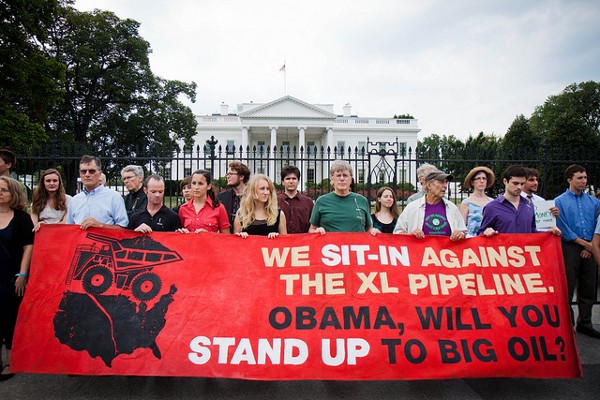
Keystone XL will NOT reduce foreign oil imports or help US

KXL Action
Some Americans believe corrupt politicians who have spent taxpayer money trying ~40 times to cancel the healthcare services were put in place by Obama for people who really need them. The same people probably believe that the Keystone XL (KXL aka Tar Sands) Pipeline will benefit us.

The Washington Post Fact Checker gave 3 Pinocchio rating to the TransCanada Keystone XL Pipeline promoter’s ad claiming benefits it won’t produce, saying “We wavered between Two and Three Pinocchios. But ultimately we decided that given this is an ad for a pipeline to import Canadian crude oil into the United States, it’s really worthy of a late-night satire.” The Wapo’s researcher learned that the Keystone XL Pipeline

…will NOT reduce foreign oil dependence or even Middle East oil dependence:

Okay, but viewers of the ad might be forgiven if they did not realize this fact: The United States currently imports more oil from Canada than it does from the entire Persian Gulf, according to the U.S. Energy Information Administration. Moreover, oil from the tar sands of Canada is expected to replace crude from Venezuela (which one could argue is not a friendly country) or Mexico. The Middle East is really not part of the equation.

and it will not reduce oil prices!

“The price of international oil prices has no impact on the operation of our pipeline and we do not profit from changing market changes,” TransCanada says in a fact sheet. “Prices are set on a global level.” In other words, if oil prices spike because of unrest in the Middle East, the impact will still be felt in the United States.

After being refined, pipeline oil will probably not even stay in America. According to the Wall Street Journal:

Much of the crude oil that would flow down the proposed Keystone XL oil pipeline would likely be exported as refined products by U.S. companies—a prospect that is stirring further debate over whether the project serves the nation’s best interest.

The pipeline won’t create 40,000 construction jobs as claimed, since most of those jobs will be temporary and won’t even run a full year. According to the State Department, the number of construction jobs created will be 3900. The rest of the 36,100 jobs the KXL marketers want to claim credit for is the benefit which will supposedly disperse all across the United States when 3900 construction workers spend the money they make until their temporary construction jobs end.

In other words, you have to assume that money spent in Nebraska eventually helps a bartender in New York or a dancer in San Francisco

TransCanada spokesman Shawn Howard explains this reckoning:

“We track the jobs associated with our project in the same fashion that the U.S. Department of Labor does and believe that every job – whether it is temporary or full-time – is important for the workers and communities involved.”
Ban on (styrofoam) polystyrene containers spreads to NYC

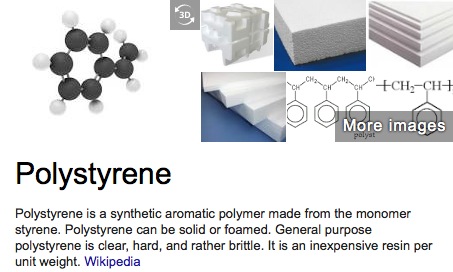
polystyrene defined by Wikipedia

On Jan 1, New York City’s polystyrene foam ban went into effect, joining the city to the ranks of Rahway, Secaucus and the Verona public school district in New Jersey and dozens of other cities across the country. NYC is the country’s largest city and last year collected 28,500 TONS of the stuff, a material which the city has determined is practically impossible to recycle. Because styrofoam lasts for 500 years, the ban will start reducing environmental impact in the year 2515.

The 7th grader responsible for pushing the ban in Verona schools is Lucas Konrad-Parisi.
“Styrofoam never degrades, it has dangerous chemicals in it, they can leach out – and it seemed they were throwing so many of these out each day,” Lucas explained to a reporter at the time. “They have a recycling bin in the cafeteria, but you can’t recycle Styrofoam.”

The Northern Illinois University Department of Biological Sciences published a paper cautioning students about the dangers of foam containers:

What happens when we add hot food or drinks to Polystyrene?

Polystyrene contains the toxic substances Styrene and Benzene, suspected carcinogens and neurotoxins that are hazardous to humans. Hot foods and liquids actually start a partial breakdown of the Styrofoam, causing some toxins to be absorbed into our bloodstream and tissue.

Polystyrene food containers leach the toxin Styrene when they come into contact with warm food or drink, alcohol, oils and acidic foods causing human contamination and pose a health risk to people. Avoid drinking tea with lemon, coffee with dairy cream, fruit juices, alcoholic beverages and wine from Styrofoam cups. Red wine will instantly dissolve the Styrene monomer. Do not eat oily foods from Styrofoam containers.

Do not microwave food in Polystyrene containers

Over 100 US and Canadian, as well as some European and Asian cities, have banned polystyrene food packaging as a result of the negative impacts to humans and the environment.

And offers this suggestions on what to do if polystyrene is still being used where you live or work:

What can we do?

1. Be aware of the harmful effects of using polystyrene products and tell others.
2. Use reusable cups instead of foam cups.
3. When shopping for groceries, select items that are unwrapped, or wrapped in non-
polystyrene materials: (e.g. vegetables, eggs, meat)
4. Ask local takeaway restaurants and food suppliers to use a more environmentally
friendly form of food packaging other than Styrofoam. Many alternatives are now available made from materials such as post-consumer recycled paper and corn- plastics.

Ask (for a ban on) polystyrene in food packaging. There are many alternatives that will have less impact on the environment.

If you want to know more about how bad styrofoam is, take a gander at the Sierra Club’s testimony to the Massachusetts legislature on its harmful effects and Harvard’s Polystyrene Fact Sheets.

What! 250 non-organic ingredients in organic foods??

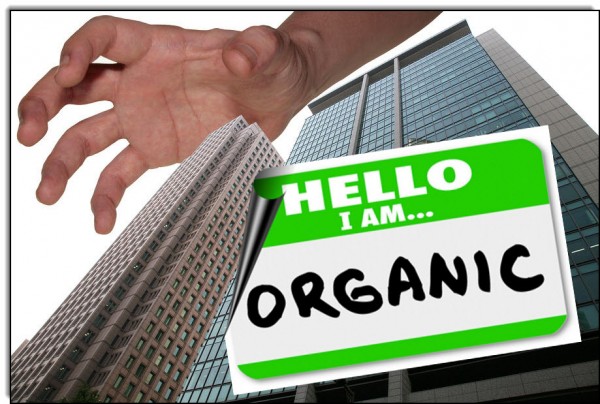
Corporatization of organics
I believed in organic until last week, when my childhood friend Charlie Peller challenged me about organic labeling and I decided to do some research. Charlie cautioned, “You need to be careful when you read the labeling everything labeled organic is not necessarily organic and because you pay $3 or $4 more for a bottle also does not make it organic,” and it turns out he’s completely right.

Organic isn’t what I thought it was; most organic labels are owned by BIG FOOD; and the number of non-organic ingredients has risen from 77 to 250 in the past 13 years. The New York Times looked into the reach of corporations into organic foods in 2012. Here are some excerpts from that article:

Michael J. Potter (of Eden Foods) is one of the last little big men left in organic food…

Over the last decade, since federal organic standards have come to the fore, giant agri-food corporations like these and others — Coca-Cola, Cargill, ConAgra, General Mills, Kraft and M&M Mars among them — have gobbled up most of the nation’s organic food industry. Pure, locally produced ingredients from small family farms? Not so much anymore.

All of which riles Mr. Potter, 62. Which is why he took off in late May from here for Albuquerque, where the cardinals of the $30-billion-a-year organic food industry were meeting to decide which ingredients that didn’t exactly sound fresh from the farm should be blessed as allowed ingredients in “organic” products. Ingredients like carrageenan, a seaweed-derived thickener with a somewhat controversial health record. Or synthetic inositol, which is manufactured using chemical processes.

Mr. Potter was allowed to voice his objections to carrageenan for three minutes before the group, the National Organic Standards Board.

“Someone said, ‘Thank you,’ ” Mr. Potter recalls.

And that was that.

Two days later, the board voted 10 to 5 to keep carrageenan on the growing list of nonorganic ingredients that can be used in products with the coveted “certified organic” label. To organic purists like Mr. Potter, it was just another sign that Big Food has co-opted — or perhaps corrupted — the organic food business.

…Between the time the Agriculture Department came up with its proposed regulations for the organic industry in 1997 and the time those rules became law in 2002, myriad small, independent organic companies — businesses like Cascadian Farm — were snapped up by corporate titans. Heinz and Hain together bought 19 organic brands.

Eden is one of the last remaining independent organic companies of any size, together with the Clif Bar & Company, Amy’s Kitchen, Lundberg Family Farms and a handful of others.

“In some ways, organic is a victim of its own success,” says Philip H. Howard, an assistant professor at Michigan State University, who has documented the remarkable consolidation of the organic industry. Organic food accounts for just 4 percent of all foods sold, but the industry is growing fast. “Big corporations see the trends and the opportunity to make money and profit,” he says.

BIG FOOD has also assumed a powerful role in setting the standards for organic foods. Major corporations have come to dominate the board that sets these standards.

As corporate membership on the board has increased, so, too, has the number of nonorganic materials approved for organic foods on what is called the National List. At first, the list was largely made up of things like baking soda, which is nonorganic but essential to making things like organic bread. Today, more than 250 nonorganic substances are on the list, up from 77 in 2002.

… “After DHA (docosahexaenoic acid algae oil) got onto the list, we decided to go back and look at all of the ingredients on the list,” Mr. Kastel says. The average consumer has no idea that “all these additives are going into the organic products they’re buying.”

By 1996, he realized that the National Organic Program was heading in a direction he did not like. He said as much at a National Organic Standards Board meeting in Indianapolis that year, earning the permanent opprobrium of the broader organic industry. “They think I’m liberal, immature, a radical,” Mr. Potter says. “But I’m not the one debating whether organics should use genetically modified additives or nanotechnology, which is what I’d call radical.”

What we can do about the secretive incursions into the world’s healthy food stream by Big Ag and Big Food is: fight tooth and nail against the TPP which will give corporations an amazing amount of control over our lives, economies and politics … not allow Big Money to take over and eliminate our internet freedoms … and support truly healthy food by buying from local farmers and growing our own.

I’d love to hear the ideas you have for fighting back too.

At TedX, Congwoman Pingree talks as a sustainable organic farmer

Cong Chellie Pingree on Twitter
Congresswoman Chellie Pingree is the type of modern Democrat we need to keep in Washington, representing the American People’s interests at the federal level. Like Sen. Elizabeth Warren, Cong. Pingree is a thoughtful, well educated, hard working and egalitarian woman with a quirky (but fun) sense of humor. She too believes that the American people can triumph over corporate greed and interests and works very hard to make sure this becomes reality.

One of the businesses Cong. Pingree owns is an organic chicken processing operation. She says she never fails to remind her colleagues that she’s an “expert chicken eviscerater.” Pingree jokes, “that’s a useful skill to have in Congress.”

In this TEDX Talk, Pingree talks about her history as a Maine Farmer and her ongoing work reforming national food policy and the federal Farm Bill. She challenges us to support the production of sustainably grown organic food in any ways we can, and charges us with helping to protect the butterflies and bees we need to help our food get naturally pollinated and thrive.

Hat tip to Theresa Lam for the find!

Ashéninka activists killed protecting Peru’s forests

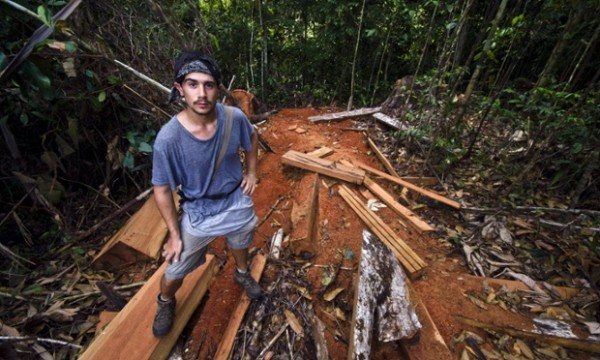
A naturalist and expedition guide stands on a pile of timber illegally logged from the rainforest.
Anti-logging native Peruvian activists Edwin Chota Valera, Jorge Ríos Pérez, Leoncio Quinticima Meléndez were killed 01 September 2014 by illegal loggers. Take Part comments:

National Geographic described Chota as “a charismatic activist who opposed drug traffickers and criminal timber syndicates that have come to operate with a sense of near-total impunity across broad swaths of Peru’s isolated borderlands.” All four men were leaders in Alto Tamaya–Saweto, a community of the Ashéninka indigenous Amazonian tribe. Although the Peruvian government has made three arrests in the case, other Ashéninka activists have told reporters of receiving death threats in the wake of the assassinations.

In The Guardian, Alex Soros shares more about this story and tells of an important financial assistance program being offered to Peru by Norway. After the Ashéninka activists’ deaths, Norway signed a contract with the Peruvian government to pay USD$300 million over 6 years if deforestation is “curbed”. The annual Alexander Soros Foundation Environmental Defenders prize was awarded to the activists in 2014.

CUATRO ASHANINKAS ASESINADOS EN PERU POR MADEREROS ILEGALES
El pasado 01 de setiembre se murieron cuatro activistas indígenas Peruanos protegiendo al territorio de su gente y país.

Edwin Chota Valera, Jorge Ríos Pérez, Leoncio Quinticima Meléndez y Francisco Pinedo, asháninkas pertenecientes a la comunidad de Alto Tamaya-Saweto en la región Ucayali, fueron asesinados la semana pasada. Los presuntos autores del crimen serían madereros ilegales de la zona … el líder indígena Edwin Chota y otros dirigentes de su comunidad han denunciado en repetidas oportunidades la presencia de madereros ilegales en sus tierras.

CALL TO ACTION
Sign petition to Attorney General of Peru calling for protection of indigenous community from violence and investigation of the murders of four native anti-logging activists.

LLAMADA A LA ACCION
Firmar petición de Amnistía Internacional pidiendo al Fiscal de la Nación y al Ministro del Interior Peruanos que aseguren una investigación imparcial e inmediata de los asesinatos de los activistas asháninkas … y exigiendo protección para los demás miembros de su comunidad.

Locally grown: good for family health & family farmers

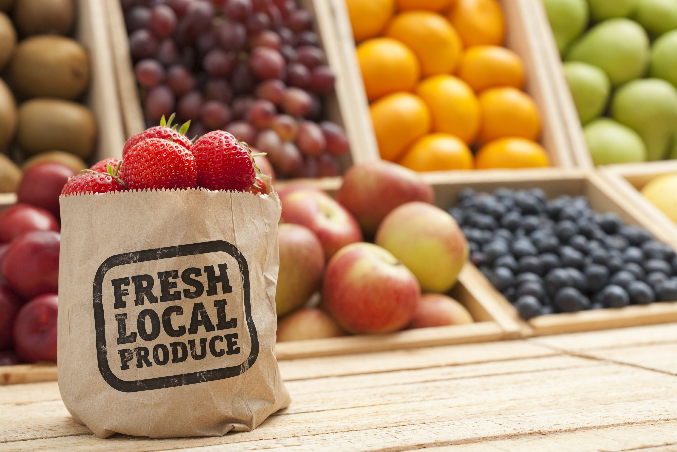
fresh local produceBuy locally grown to save the environment and your family’s health by reducing shipping impact, which reduces climate change. Buying local also supports small, family farmers.

Rutgers U Jersey Fresh Information Exchange says

Lucky for us in the Garden State, we can buy Jersey Fresh produce that really is “fresh off the farm”. Unlike the big production states, where the considerations in farming methods are how to get the crop to you over long distances, Jersey Fresh products are picked at the peak of ripeness and can be on your table the same or next day! This gives the environment a breather because there are fewer fossil fuels consumed to ship products, and less packaging is needed to protect produce for short trips.

Here’s a list with some NJ Farmer’s Markets.

Support for Environmental Activists

Center for Health, Environment & Justice
PO Box 6806, Falls Church, VA 22040
703-237-2249 | chej@chej.org
The Center for Health, Environment and Justice can help you and your community if you are facing an environmental health risk. From leaking landfills and polluted drinking water to incinerators and hazardous waste sites, we can help you take action towards a healthier future. Call us.

Seed diversity means food security! Cool little movie tells why

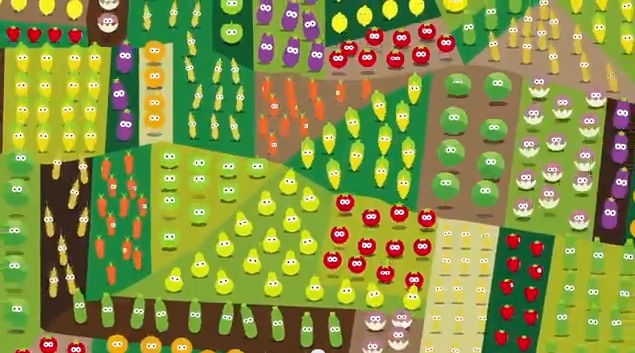
Seed Diversity means Food Security! The best way to provide for enough good food across the globe is to let nature do what it was created to do. Seeds and crops adapt to environmental and geographical changes much better than anything man can invent. So let’s respect nature, and let food be food! If you don’t believe me, watch this little graphic cartoon. It’s very convincing.

New York county legislators ban fracking waste

No Second Chance from Grassroots Environmental Ed on Vimeo.

In this video clip, several New York county legislators talk about why they believed it necessary to ban fracking waste from use, storage or transportation across their counties. Since states haven’t shown much willingness to limit fracking or reject its waste, it’s great to see municipalities and county legislators taking action. I have several questions after watching the clip, though:

  • Are the New York county legislators shown in this clip part of a unified coalition?
  • How many New York counties have banned fracking waste? Is there a list somewhere?
  • How do New York county legislators stand on the topic of fracking itself?
  • Is the position of legislator on the Board of Legislators equivalent to a NJ freeholder?
  • Has New York State itself taken a position against fracking waste?

Can anyone help me out?

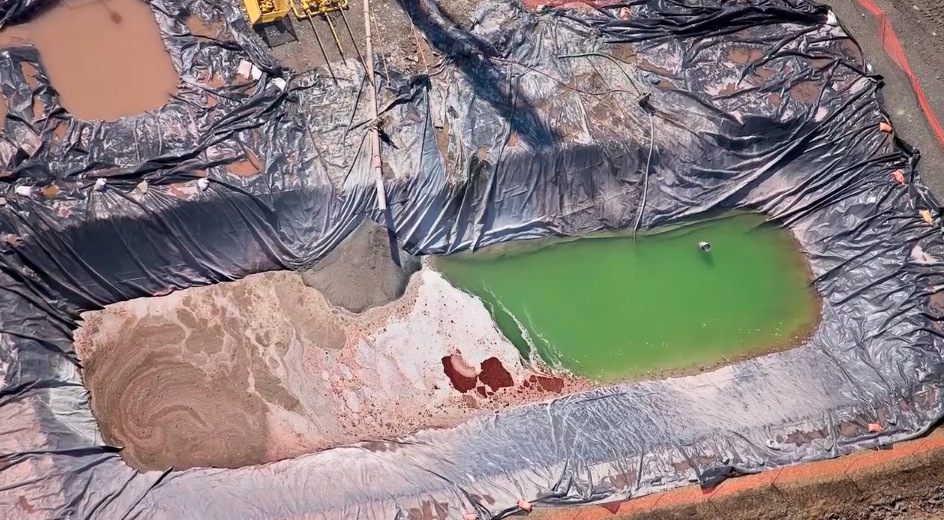
fracking waste
A fracking (hydraulic fracturing) waste pit

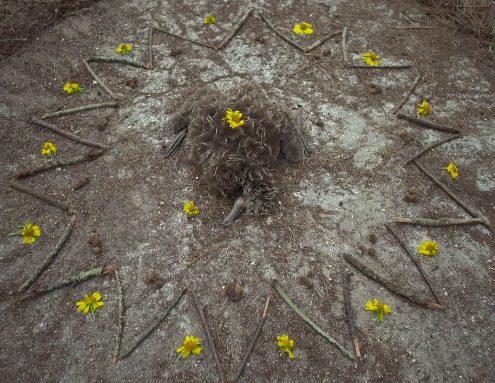
What are these birds dying of? Stomachs full of your garbage.

bird memorial

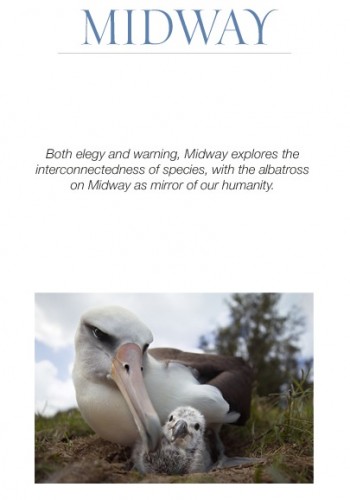
Midway filmWe do this, friends. Drink bottled goo and throw the packaging away into the environment for it to end up in fish and birds’ stomachs. And then, these gorgeous creatures die agonizing deaths for which we are responsible.

Well, do you know that we have the power to stop this too? We can go back to water, to pure fruit juices. Make our own iced tea and drink it from reusable bottles. Give up on plastics. Embrace recycling when that’s impractical. Be a good world steward …

Your children, your great, great grandchildren … and mine … they will all thank you.

Watch the film trailer